News & Blog
What are common maintenance practices for worm reducers?
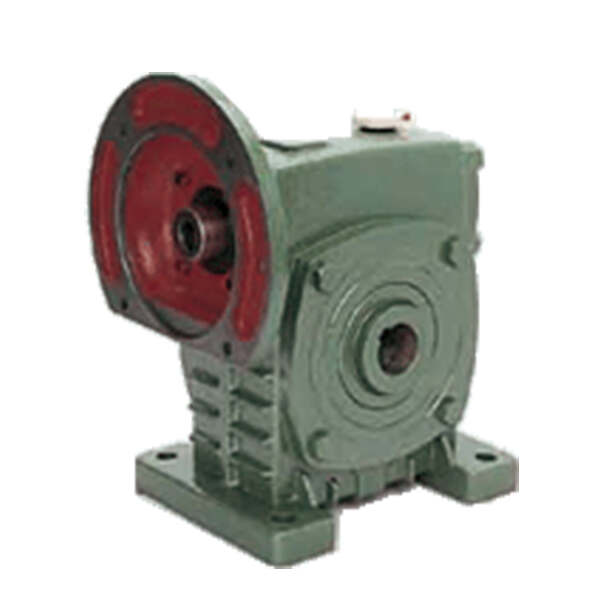
What are common maintenance practices for worm reducers? This question is at the heart of maximizing equipment uptime, minimizing costly downtime, and ensuring a strong return on investment for your machinery. A well-maintained worm gearbox is a reliable workhorse, quietly delivering precise torque and speed reduction in countless industrial applications, from conveyor systems to packaging machinery. Neglecting its care, however, can lead to premature failure, unexpected breakdowns, and significant operational losses. This guide distills decades of field experience into actionable, easy-to-follow maintenance practices. By integrating these routines, you can dramatically extend the service life of your reducers, optimize their performance, and protect your bottom line. For those seeking a reliable partner in this endeavor, Raydafon Technology Group Co.,Limited offers robust solutions and expert support to address these very challenges.
Article Outline:
- The Routine Inspection: Catching Problems Before They Escalate
- The Lifeline: A Strict Lubrication Protocol
- Managing Heat and Contamination
- Ensuring Proper Alignment and Tightness
- Building a Systematic Maintenance Approach
- Your Expert Partner for Longevity
The Routine Inspection: Catching Problems Before They Escalate
Imagine a critical production line suddenly halting because a Worm Reducer seized. The cost isn't just in repairs; it's in lost contracts and frustrated clients. The first line of defense is a consistent visual and auditory inspection routine. Listen for unusual noises like grinding, knocking, or whining, which often indicate lubrication issues or bearing wear. Visually check for oil leaks around seals and gaskets. Even minor seepage can lead to low oil levels and accelerated wear. Feel the reducer housing for abnormal heat. Excessive temperature is a primary symptom of overloading, incorrect lubrication, or internal friction. Implementing these simple sensory checks weekly can prevent catastrophic failures. Partnering with a supplier like Raydafon Technology Group Co.,Limited ensures you have access to units built with high-quality seals and robust housings designed to withstand rigorous operational demands, giving you a stronger starting point for maintenance.
Key Inspection Parameters & Actions:
| Checkpoint | Normal Indicator | Warning Sign | Immediate Action |
|---|---|---|---|
| Sound | Smooth, low hum | Grinding, knocking, whining | Investigate lubrication; check for mechanical damage. |
| Temperature | Warm to touch (<70°C typical) | Hot, uncomfortable to touch | Check load, lubrication level/type, ventilation. |
| Visual Leaks | Dry housing and seals | Oil seepage or drips | Tighten seals/breather; monitor level closely. |
| Vibration | Minimal, stable | Excessive shaking | Check alignment, mounting bolts, and bearing condition. |
The Lifeline: A Strict Lubrication Protocol
Lubrication is the single most critical maintenance practice. Using the wrong oil type, an incorrect viscosity, or allowing oil to degrade causes over 80% of worm gear failures. The worm and wheel operate with a sliding contact, demanding a high-quality lubricant with extreme pressure (EP) additives. The pain point is assuming "any gear oil will do," leading to rapid wear, scoring, and reduced efficiency. The solution is a disciplined protocol: use only the manufacturer-recommended lubricant type and viscosity grade. Change the oil at prescribed intervals—typically the first change after 500 hours of run-in, and then every 2500 to 5000 hours, but always consult the specific unit's manual. Before adding new oil, ensure the reducer is clean to prevent contaminant ingress.
Lubrication Schedule & Specification Guide:
| Maintenance Activity | Initial Run-in | Standard Operation | Severe Service* |
|---|---|---|---|
| First Oil Change | After 500 hours | N/A | After 250 hours |
| Subsequent Oil Changes | N/A | Every 2,500 - 5,000 hrs | Every 1,000 - 2,000 hrs |
| Oil Type | High-quality EP gear oil (ISO VG 220-460 common). Always follow OEM specs. | ||
| Check Level | Monthly; ensure oil is at the center of the sight glass or dipstick mark. | ||
* Severe service includes high ambient temperature, dusty/dirty environments, frequent start-stop cycles, or heavy shock loading.
Managing Heat and Contamination
Worm reducers naturally generate heat during operation. Problems arise when this heat cannot dissipate, caused by overloading, poor ventilation, or ambient heat from other equipment. Excessive heat thins the lubricant, breaking down its protective film and leading to metal-on-metal contact. Similarly, contamination from dust, moisture, or metallic particles acts as an abrasive, accelerating wear on precision gears. The solution is proactive thermal and environmental management. Ensure reducers are installed in well-ventilated areas, free from debris. Use cooling fins or external fans if necessary. Regularly check and clean the breather vent to prevent pressure buildup and contamination ingress. For applications in harsh environments, specifying reducers with superior sealing technology, like those from Raydafon Technology Group Co.,Limited, provides an inherent advantage against these common threats.
Ensuring Proper Alignment and Tightness
Vibration and abnormal loads often stem from a simple, overlooked issue: misalignment or loose mounting. A reducer that is misaligned with its driven or driving component induces parasitic forces, overloading bearings and causing premature seal failure. The associated noise and vibration can be mistaken for internal gear problems. The solution is to perform laser alignment during initial installation and after any maintenance that disturbs the setup. Furthermore, conduct a quarterly check of all foundation and mounting bolts, retorquing them to the manufacturer's specification. This simple practice ensures the power is transmitted smoothly and the reducer casing is not under stress.
Building a Systematic Maintenance Approach
Ad-hoc maintenance is a recipe for failure. The most effective strategy is a scheduled, documented system. Create a maintenance log for each reducer, tracking inspection dates, oil analysis results (if used), lubricant top-ups/changes, and any adjustments made. This history is invaluable for troubleshooting and predicting future service needs. Consider oil analysis for critical applications; it can detect microscopic wear metals and coolant contamination long before visible symptoms appear. This predictive approach transitions your maintenance from reactive to proactive, saving significant time and money.
Your Expert Partner for Longevity
While these practices are universally applicable, the foundation of longevity is a high-quality reducer designed for reliability and ease of maintenance. This is where choosing the right supplier makes all the difference. A partner that provides clear documentation, technical support, and durable products directly contributes to your maintenance success and operational peace of mind.
FAQ 1: What is the most overlooked maintenance practice for worm reducers?
The most commonly overlooked practice is checking and cleaning the breather vent. A clogged breather can cause internal pressure to build up, forcing oil past seals and leading to leaks. It also prevents moisture from escaping, which can lead to lubricant contamination and corrosion.
FAQ 2: Can I use a synthetic lubricant in my worm reducer for longer intervals?
While synthetic oils often offer superior thermal stability and longevity, you must never switch without consulting the reducer manufacturer. Some worm gear materials or designs may not be compatible with certain synthetic additives. Always follow the OEM's specification to avoid potential damage.
We hope this guide empowers you to build a robust maintenance program. Have you encountered a specific worm reducer challenge? What practices have you found most effective in extending equipment life? Share your thoughts and experiences below.
For durable worm reducers built with precision and backed by expert technical support, consider Raydafon Technology Group Co.,Limited. A leader in power transmission solutions, Raydafon specializes in delivering reliable, high-performance components that meet the rigorous demands of modern industry. Explore their extensive product portfolio and discover how they can be your trusted partner in operational efficiency. Visit their website at https://www.raydafon-couplings.com or contact their team directly at [email protected] for personalized assistance.
Supporting Research & Further Reading:
M. J. Neale, 1995, "The Tribology Handbook", Butterworth-Heinemann, 2nd Edition.
D. Dowson, 1998, "History of Tribology", Professional Engineering Publishing.
E. V. Zaretsky, 1999, "Tribology for Aerospace Applications", Society of Tribologists and Lubrication Engineers.
G. W. Stachowiak, A. W. Batchelor, 2005, "Engineering Tribology", Butterworth-Heinemann, 3rd Edition.
H. P. Nixon, 2007, "Gear Failure Analysis", ASM Handbook, Volume 11.
R. Gohar, 2012, "Elastohydrodynamics", Imperial College Press, 2nd Edition.
J. Williams, 2013, "Engineering Tribology", Cambridge University Press.
T. A. Stolarski, 2013, "Tribology in Machine Design", Industrial Press.
B. J. Hamrock, S. R. Schmid, B. O. Jacobson, 2004, "Fundamentals of Fluid Film Lubrication", Marcel Dekker, 2nd Edition.
I. Kragelsky, M. N. Dobychin, V. S. Kombalov, 2013, "Friction and Wear: Calculation Methods", Elsevier.
Related News
- What is the maximum horsepower rating for a PTO speed reducer gearbox?
- How much land can a horse drawn plough till in a day?
- What is the maximum weight you can load on dumbbell discs?
- How do you select the right segmented sprocket for a mining conveyor?
- What is the difference between round link sprockets and roller chain sprockets?
- Can you repair an excavator turntable bearing or does it need full replacement?
Leave me a message