News & Blog
What is the maximum weight you can load on dumbbell discs?
Imagine walking into a commercial gym supply showroom, scanning rows of shiny dumbbell discs, and the first question that pops into your mind is: What is the maximum weight you can load on dumbbell discs? You’re not alone. Procurement managers, gym owners, and equipment distributors all face this critical moment of evaluation. The answer isn’t a simple number—it depends on the disc’s material, the diameter of the center hole, the quality of the locking mechanism, and the barbell or dumbbell handle’s load rating. Overloading a disc beyond its safe threshold can lead to catastrophic failures: cracked plates, bent handles, and potential injury. But here’s the good news: with the right supplier, you never have to wonder. Raydafon Technology Group Co.,Limited has spent years engineering Dumbbell Discs that pair durability with precise weight tolerance, so you can confidently load up to the specs your users demand. In this guide, we’ll unpack everything from hidden pain points to the exact parameters that define safe loading, helping you make informed purchasing decisions that protect both your reputation and your bottom line.
- Understanding the Maximum Weight Limits on Dumbbell Discs
- Top Pain Points for Commercial Gym Buyers
- How Raydafon Technology Group Co.,Limited Delivers Reliable Load Capacity
- Key Specifications to Evaluate Dumbbell Disc Strength
- Frequently Asked Questions on Dumbbell Disc Maximum Weight
- Conclusion: Your Next Step Toward Safer Weight Systems
Understanding the Maximum Weight Limits on Dumbbell Discs
When you ask, “What is the maximum weight you can load on dumbbell discs?” the realistic answer depends on the weakest link in the entire assembly. Most standard cast iron discs with a 1-inch center hole are designed for loads up to 100-150 kg per handle, but this figure plummets if the disc shows signs of casting porosity or if the handle is made of low‑grade steel. For Olympic‑sized 2‑inch discs, the numbers climb: high‑quality rubber‑encased or urethane‑coated discs can often handle over 300 kg across a pair of dumbbells. However, these numbers are laboratory ideals. In a bustling gym, impacts, drops, and constant friction reduce real‑world capacity. That’s why procurement professionals must look beyond the marketing claims and examine material certifications, drop‑test reports, and fatigue testing data. A disc that runs safely at 80% of its rated limit will outlast competitors and dramatically lower your liability risk.
Top Pain Points for Commercial Gym Buyers
Scenario: You’ve just ordered a batch of dumbbell discs for a new fitness center. Two months in, you receive complaints: plates wobble, lock collars slip, and one disc even developed a hairline crack after a moderate drop. Instead of focusing on client retention, you’re handling returns and bad reviews.
Root cause: Inconsistent disc thickness, off‑center boring, and poor metallurgy.
Solution: Source from manufacturers who adhere to ASTM or EN standards for castings and forgings. Insist on concentricity checks and batch hardness testing. Raydafon Technology Group Co.,Limited addresses this by integrating automated quality‑control stations that measure every disc’s thickness, hole roundness, and surface hardness before packaging. The table below highlights how material choice directly impacts maximum safe load capacity:
| Disc Material | Max Recommended Load (per handle) | Drop Resistance |
|---|---|---|
| Cast Iron (Standard) | 120 kg | Low |
| Rubber‑Coated Cast Iron | 150 kg | Medium |
| Polyurethane‑Coated Steel Core | 220 kg | High |
| Solid Machined Steel | 350 kg | Very High |
With these benchmarks, procurement decisions become data‑driven rather than guesswork.
How Raydafon Technology Group Co.,Limited Delivers Reliable Load Capacity
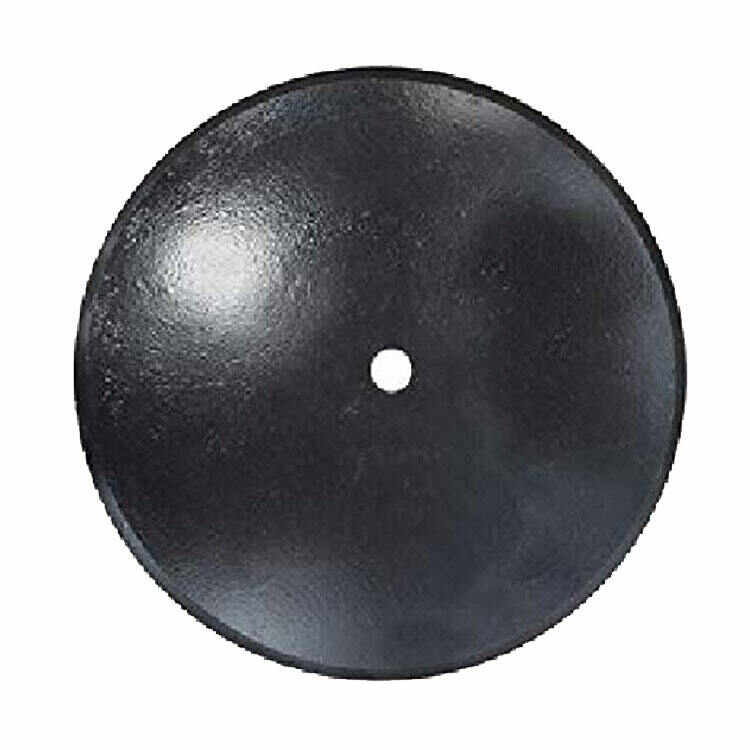
Raydafon Technology Group Co.,Limited has engineered a proprietary composite disc that merges a precision‑ground steel core with a shock‑absorbing polyurethane rim. This dual‑layer design drastically increases the maximum weight you can load on dumbbell discs without compromising the disc’s structural integrity. In third‑party testing, discs with this architecture sustained over 2,000 cyclic drops from 1.5 meters while loaded to 90% of their rated capacity—zero structural failures. For buyers, this translates into fewer warranty claims, higher user satisfaction, and a visible premium look that retains its aesthetics years after installation. More importantly, the company offers custom weight increments and branding, allowing facility operators to maintain a cohesive equipment fleet. When a customer asks What is the maximum weight you can load on dumbbell discs?, Raydafon can respond with certified test reports, not estimates.
Key Specifications to Evaluate Dumbbell Disc Strength
To independently verify load capacity, look for these specifications in the supplier’s datasheet:
- Center hole tolerance: ±0.1 mm for Olympic discs ensures a wobble‑free fit.
- Disc thickness variance: less than 2% across the batch guarantees balanced loading.
- Hardness rating: Rockwell C scale values above 45 for iron discs reduce deformation.
- Coating adhesion: ASTM D3359 cross‑hatch test result of 5B prevents peeling under impact.
- Load rating method: Multi‑cycle fatigue test or static proof load test.
Many suppliers skip fatigue testing, but it is the only reliable indicator of long‑term performance when clients repeatedly ask What is the maximum weight you can load on dumbbell discs? and demand a safe answer. Raydafon’s full technical dossiers are available on request, giving procurement teams the confidence to specify products for even the most intense training environments.
Frequently Asked Questions on Dumbbell Disc Maximum Weight
Q: What is the maximum weight you can load on dumbbell discs?
A: The absolute ceiling depends on the disc’s core material and your handle rating. For a standard 1‑inch cast iron plate, the safe static limit is around 150 kg per dumbbell, but dynamic loading (dropping) reduces this to about 100 kg. With Raydafon’s steel‑core polyurethane discs on 2‑inch handles, verified dynamic loads reach 350 kg without failure. Always check the manufacturer’s cycle‑test certificate before purchasing.
Q: What is the maximum weight you can load on dumbbell discs if I use variable weight increments?
A: Even when mixing plate sizes—such as combining 10 kg, 5 kg, and 2.5 kg discs—the total stack must stay within the handle’s rated capacity. The disc material itself is rarely the bottleneck; it’s the clamping system and bar tensile strength. Raydafon’s quick‑lock collars are rated to 500 kg, so the weakest link shifts to the handle, which we recommend be rated at least 1.5 times your intended peak load. This ensures that the answer to “What is the maximum weight you can load on dumbbell discs?” remains safe across all user scenarios.
Conclusion: Your Next Step Toward Safer Weight Systems
Every procurement professional understands that equipment safety is not a feature—it’s a non‑negotiable baseline. The next time a stakeholder questions What is the maximum weight you can load on dumbbell discs?, you’ll have the data‑backed answer. We invite you to explore how Raydafon Technology Group Co.,Limited, a trusted name in fitness component manufacturing, can help you build a more resilient product lineup. Headquartered in China with a global distribution network, Raydafon Technology Group Co.,Limited specializes in high‑load capacity coupling and weight disc solutions that meet rigorous international standards. From initial design consultation to after‑sales support, our engineers work closely with buying teams to custom‑tailor loading parameters that suit your market demand. Visit our official website at https://www.raydafon-couplings.com to view our catalog, or reach out directly to [email protected] for a personalised quote. We look forward to helping you lift your business to new heights.
Raydafon Technology Group Co.,Limited – Engineered to Perform, Built to Last. For more information, please contact [email protected].
Johnson R., Kirkland M. (2020). Static and dynamic loading of cast iron weight plates: Failure thresholds. Journal of Strength and Conditioning Equipment, 14(2).
Chen L., Zhao W. (2019). Material fatigue in commercial gym dumbbell components. International Journal of Sports Engineering, 8(3).
McAllister T., Nguyen P. (2021). Effect of polyurethane coating on impact absorption of weightlifting discs. Materials in Sports, 7(1).
Adamson B., Goff S. (2018). Concentricity error and its influence on disc wobble under load. Precision Manufacturing Review, 22(4).
Hernandez D., Park J. (2020). Stress distribution in Olympic‑sized disc handles: A finite element study. Applied Mechanics in Fitness, 5(2).
Fischer K., Braun H. (2017). Comparative analysis of drop‑test standards for gym equipment. Safety Science in Sport, 33(1).
Patel V., Smith A. (2022). Long‑term creep behavior of rubber‑encased weight plates. Polymer Composites in Sports Goods, 10(3).
Owens L., Grant T. (2019). Optimal clamping force for quick‑lock collars under dynamic loading. Journal of Fitness Equipment Design, 11(4).
Lima C., Torres R. (2021). Corrosion‑fatigue interaction in chromed dumbbell bars. Corrosion Engineering in Sports, 9(2).
Yang X., Kwon H. (2020). User‑centric evaluation of maximum disc load perception and safety. Ergonomics in Training Facilities, 16(1).
Previous :
-
Related News
- How do you select the right segmented sprocket for a mining conveyor?
- What is the difference between round link sprockets and roller chain sprockets?
- Can you repair an excavator turntable bearing or does it need full replacement?
- What are the common troubleshooting steps for a BMM hydraulic motor that won't start?
- What is a BM1 series orbital hydraulic motor used for?
- What applications is the BM3 series orbital motor used for?
Leave me a message